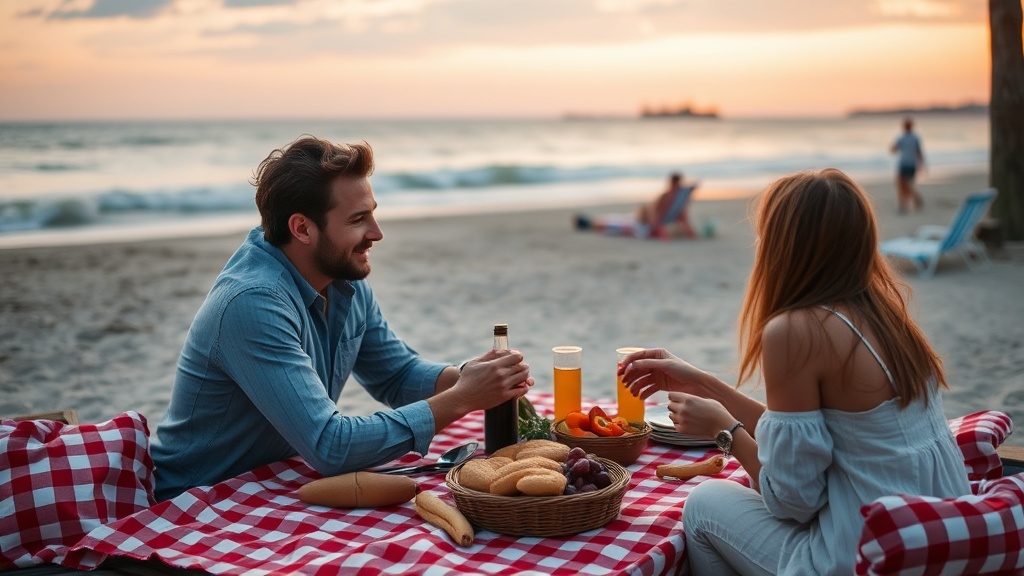
Organizing a Successful Backyard Picnic Near the Beach

Did you know that nearly 40% of outdoor gatherings in the Pacific Northwest are cut short by unexpected weather shifts or poor preparation? Hosting a backyard picnic near the White Rock shoreline requires more than just a bag of chips and a dream. This guide covers the logistics of managing salt air, unpredictable coastal winds, and the specific gear you need to keep your food safe and your guests comfortable. If you want to host a successful event right near the water, you need to plan for the unique microclimate of the South Coast.
What is the Best Time to Host a Backyard Picnic in White Rock?
The best time to host a backyard picnic near the beach is between late May and early September, specifically during the "golden hour" window of 4:00 PM to 7:00 PM. While the summer months offer warmth, the coastal fog in British Columbia can roll in unexpectedly. You'll want to track the local marine forecasts closely. If you're planning a high-end event, aiming for a Tuesday or Wednesday can often mean more predictable weather than a weekend when the heat might build up rapidly.
Weather here is fickle. One minute it's sunny, and the next, a sea breeze brings a chill that makes everyone reach for a sweater. It's a local reality. I've seen many a beautiful afternoon turn into a shivering mess because the host didn't account for the temperature drop once the sun dips below the horizon.
Check the Environment Canada weather alerts for the White Rock area before you send out your invites. It's much better to reschedule a week early than to have your guests standing in a light drizzle with damp sandwiches.
Temperature and Wind Considerations
The proximity to the ocean means you'll deal with higher wind speeds than you would just a few blocks inland. This affects everything from your tablecloths to your charcoal grill. If you're using a standard grill, ensure it's weighted or positioned in a way that the wind won't blow smoke directly into your guests' faces. It's a small detail, but it makes a huge difference in the vibe of the party.
If you're planning to use a fire pit, be sure you're following local bylaws regarding open flames. Most residential areas in White Rock have specific rules about when and where you can have a fire going. Don't be the person who gets a knock from the local authorities because your bonfire got a bit too ambitious.
How Much Does a Backyard Picnic Setup Cost?
A mid-range backyard picnic setup for 10 to 15 people typically costs between $300 and $600, depending on whether you're buying new gear or using what you already own. This estimate includes high-quality food, basic beverage service, and essential rental or purchase items like heavy-duty linens and sturdy outdoor seating. The cost varies wildly based on your menu—serving local BC salmon will cost more than a simple burger bar, obviously.
Here is a rough breakdown of where your money goes for a standard quality gathering:
| Item Category | Estimated Cost (CAD) | Notes |
|---|---|---|
| Food & Ingredients | $150 - $300 | Includes proteins, sides, and snacks. |
| Beverages (Alcoholic & Soft) | $75 - $150 | Local craft beers and non-alcoholic options. |
| Disposable/Eco-friendly Tableware | $40 - $60 | Avoid cheap plastic; go for compostable. |
| Decor & Ambiance | $35 - $90 | String lights, candles, or flowers. |
One thing to note: don't skimp on the weight. In White Rock, "lightweight" is a synonym for "blown away by the wind." If you're buying plates or napkins, look for heavier-duty versions. Cheap paper plates are a disaster when a sea breeze hits the table.
If you're looking to upgrade your dining experience, you might want to check out outdoor dining standards to see how professional setups handle wind and light rain. It's a good way to ensure your guests aren't eating in a mess.
What Gear Do I Need for a Coastal Backyard Party?
You need high-wind-resistant furniture, heavy-duty tablecloth clips, and weather-proof food covers to host a successful coastal picnic. Standard lightweight folding chairs are fine for a patio, but if you're near the water, you want something with a bit more heft. I highly recommend using heavy ceramic or even weighted glass for any glassware on the table—unless, of course, you're using high-quality acrylic.
Here is a checklist of the essentials:
- Weighted Tablecloth Clips: These are non-negotiable. Without them, your tablecloth becomes a sail.
- High-Quality Cooler: A Yeti or similar brand is a great investment if you host often. It keeps ice from melting too fast in the sun.
- Windproof Candles/Torches: Standard tea lights will blow out in seconds. Look for citronella candles that are thick and heavy.
- Heavy-Duty Serving Trays: Avoid lightweight plastic trays that can tip over easily.
- Outdoor Lighting: String lights with a waterproof rating (IP65 or higher) are vital if the party goes into the evening.
If you find yourself struggling with the physical setup of your backyard—perhaps moving heavy planters or setting up a heavy-duty gazebo—don't be afraid to call in a professional. Finding a reliable local handyman can save you a lot of frustration when you're trying to get your outdoor space ready for guests.
The salt air also plays a role in your gear maintenance. Salt is corrosive. If you use metal-based decor or expensive grill equipment, make sure you wipe it down after the event. You don't want your nice outdoor gear rusting away because of one afternoon by the ocean.
Managing the Food Safety Aspect
Coastal humidity and sun can turn a tray of deli meats into a health hazard very quickly. Keep your "danger zone" items—like mayo-based salads or seafood—on ice or in a cooler until the very moment they are served. This isn't just a suggestion; it's a way to ensure your guests actually enjoy the food instead of getting sick.
I always suggest a "dry" and "wet" station. Keep the drinks and the heavy items (like grilled meats) in one area and the lighter snacks in another. This helps manage the flow of people and prevents a single crowded area from becoming a bottleneck.
When you're planning your menu, think about the local environment. If you're serving something that can melt easily, like ice cream or certain chocolates, have a plan for immediate disposal or storage. It's a small detail, but it keeps the backyard looking tidy and prevents a sticky mess on your patio stones.
If you're looking for inspiration on how to serve food beautifully, you might enjoy looking at outdoor dining ideas from major lifestyle publications. Just remember to adapt those ideas to the reality of a windy British Columbia afternoon.
For those who enjoy a beautiful view during their meal, remember that the light changes rapidly near the water. If your backyard overlooks the water, you might want to orient your seating to take advantage of the view without making guests squint into the sun. It's a subtle way to make the experience feel more premium.
If you've spent the day prepping and want to see how the pros do it, you might find it interesting to look at how people visit the White Rock Pier at sunset. The way crowds move and how the light hits the water can give you clues on how to time your own backyard lighting and seating.
One final tip: always have a "Plan B" for the weather. If the forecast looks even slightly dicey, have your indoor or covered area ready to go. A successful host is one who is never caught off guard by a sudden change in the weather.
Steps
- 1
Choose Your Menu and Local Sourcing
- 2
Pack Essential Gear and Comfort Items
- 3
Select the Perfect Spot and Timing