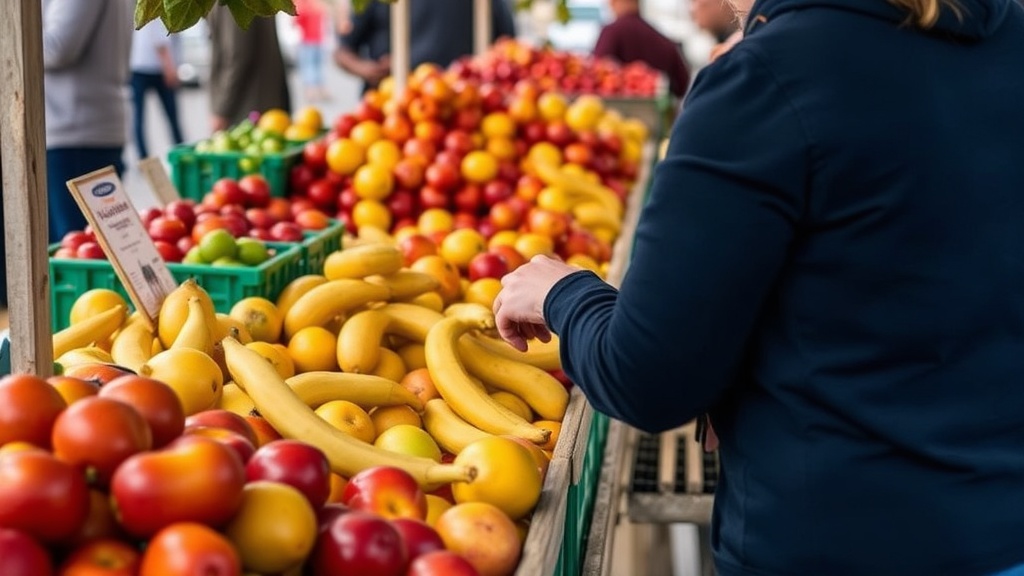
Picking the Best Seasonal Fruit at the White Rock Farmers Market

Ever wondered why a peach from a grocery store chain tastes like cardboard compared to the one you get at a local market? This guide breaks down exactly how to identify peak ripeness, what to look for in seasonal BC produce, and how to shop the White Rock Farmers Market like a pro. You'll learn how to spot the best berries, stone fruits, and greens so you don't waste your money on fruit that's still hard or tasteless.
What is in Season at the White Rock Farmers Market?
The availability of produce depends entirely on the current month and the local harvest cycles in the Fraser Valley and beyond. In the spring, you'll see a lot of leafy greens and radishes, while summer brings the heavy hitters like cherries and berries. Fall is all about apples and squash, and winter shifts toward hardy root vegetables and preserved goods.
Shopping seasonally isn't just about flavor—it's about price and sustainability. When you buy what's currently growing in British Columbia, you're getting produce that hasn't traveled thousands of kilometers in a refrigerated truck. It's fresher, and frankly, it tastes better.
Here is a quick seasonal cheat sheet for our local area:
| Season | Key Produce to Look For | Local Vibe |
|---|---|---|
| Spring | Asparagus, Radishes, Snap Peas | Light, crisp, and green. |
| Summer | Cherries, Blueberries, Peaches, Strawberries | Sweet, juicy, and abundant. |
| Autumn | Apples, Pears, Pumpkin, Sweet Potatoes | Hearty, earthy, and rich. |
| Winter | Kale, Beets, Root Vegetables | Hardy and great for slow cooking. |
If you're looking for more ways to enjoy our coastal lifestyle, check out these worthwhile things to do in White Rock once you've finished your grocery shopping.
How Do I Pick the Best Berries?
Look for berries that are firm, intact, and free of any visible mold or bruising. Berries are incredibly delicate—one bruised strawberry can quickly ruin an entire pint if it's sitting in your fridge.
When you're standing at a stall, don't just grab the first container you see. Look at the bottom of the basket. If the berries at the bottom look mushy or have juice leaking out, the whole batch is likely past its prime. For blueberries, look for a matte, waxy coating (often called the "bloom") on the skin. This is a natural way the fruit protects itself and a sign of freshness.
Pro tip: If you see raspberries, they should be plump and deep in color. If they look pale or have a "hollow" look, they won't have that hit of sweetness you're after. Avoid any that have a fermented smell—that's a dead giveaway that they've gone off.
How Can I Tell if Stone Fruit is Ripe?
The best way to check stone fruit (like peaches, plums, and nectarines) is by scent and touch. A ripe peach should smell like a peach, not like nothing. If it has no scent, it was likely picked too early and won't develop much flavor even if you leave it on your counter.
Here is how to test different types of stone fruit:
- Peaches & Nectarines: Give them a very gentle squeeze near the stem. They should give slightly under pressure. If they feel like a rock, wait a few days.
- Plums: Look for a deep, consistent color and a skin that feels slightly soft to the touch.
- Cherries: These don't ripen much after being picked, so you want them to be at peak perfection the moment you buy them. Look for glossy, dark skins and avoid any with shriveled skins.
It's worth noting that many of these fruits are highly susceptible to bruising. If you're carrying a heavy bag of apples, don't put your peaches on top of them. It's a simple mistake, but it happens more often than you'd think.
How Much Does Seasonal Fruit Cost at the Market?
Prices at the farmers market fluctuate based on the current harvest volume and the time of year. While you might pay a bit more per pound than at a big-box retailer, the quality and local origin usually justify the cost. For example, a pint of BC blueberries in July might be significantly cheaper than a pint in January when they're being shipped from South America.
Expect to pay a premium for organic or heirloom varieties. If you see a vendor selling "seconds"—which are fruits that might look a little "ugly" but are perfectly edible—grab them. They're often much cheaper and are perfect for smoothies or baking.
One thing to keep in mind: always bring cash. While many vendors are moving toward digital payments, some smaller local farms still prefer cash or have limited card processing capabilities. It's always better to be prepared.
Common Mistakes to Avoid When Shopping
One of the biggest mistakes people make is buying too much at once. Because farmers market produce is often highly seasonal and lacks the heavy preservatives of supermarket fruit, it has a shorter shelf life. If you buy five pounds of strawberries on a Tuesday, they might be a puddle of mush by Friday.
Another mistake? Not checking the stems. Whether it's kale or berries, the stems tell a story. Dried-out, brittle stems mean the produce has been sitting out too long. You want vibrant, green, and hydrated stems.
If you're planning a big outdoor lunch or a picnic near the water, you might want to check the best seating near the White Rock Pier to enjoy your fresh finds. Just make sure you keep your berries out of the direct sun while you're eating!
When you're selecting fruit, remember that the goal is to find something that is at the peak of its flavor. If you're ever unsure about a specific variety, don't be afraid to ask the farmer. They are usually incredibly knowledgeable about their specific crops and can tell you exactly how to store it at home to make it last longer.
According to the Government of Canada, proper food handling and storage are vital for maintaining nutritional value. This is especially true for the highly perishable items you'll find at our local markets. Once you get home, get that fruit into the fridge or a cool, dark place immediately.
Don't let the beautiful weather distract you from the actual task of picking quality food. It's easy to get caught up in the atmosphere of a sunny day in White Rock, but if you aren't paying attention to the produce, you'll end up with a kitchen full of disappointing fruit.
Watch your step near the stalls, too. The ground can get a bit uneven or even a little muddy if it's been raining—especially if you're navigating the edges of the market area. If you're driving, keep an eye out for the best spots to park, and if you're running late, you might need to look into parking tactics for Marine Drive to ensure you can get close to the action.
Steps
- 1
Arrive Early for Peak Selection
- 2
Check the Seasonal Rotation
- 3
Bring Reusable Bags and Cash